
From May 22 to September 20, 2026
Exhibition Curators – Valerio Zanetti & Clément Trouche
The exhibition “Amazons! Horsewomen and Fashion Icons” opens at the Museum of Fashion and Costume in Arles, from May 22 to September 20, 2026.
At the heart of its new Arlesian museum, Fragonard reveals the history of women’s equestrian costumes in Europe and their influence on fashion, from Antiquity to the present day.
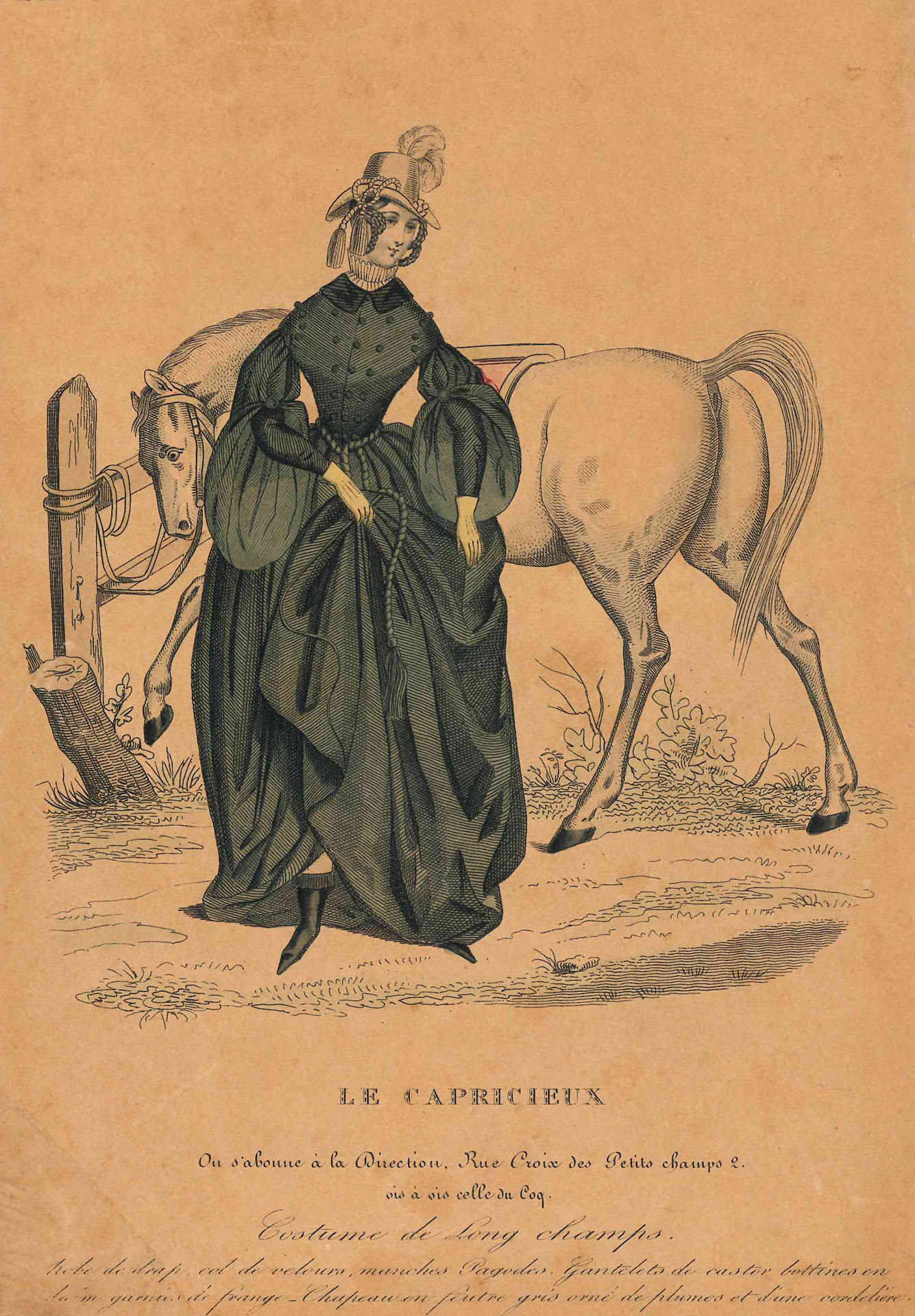
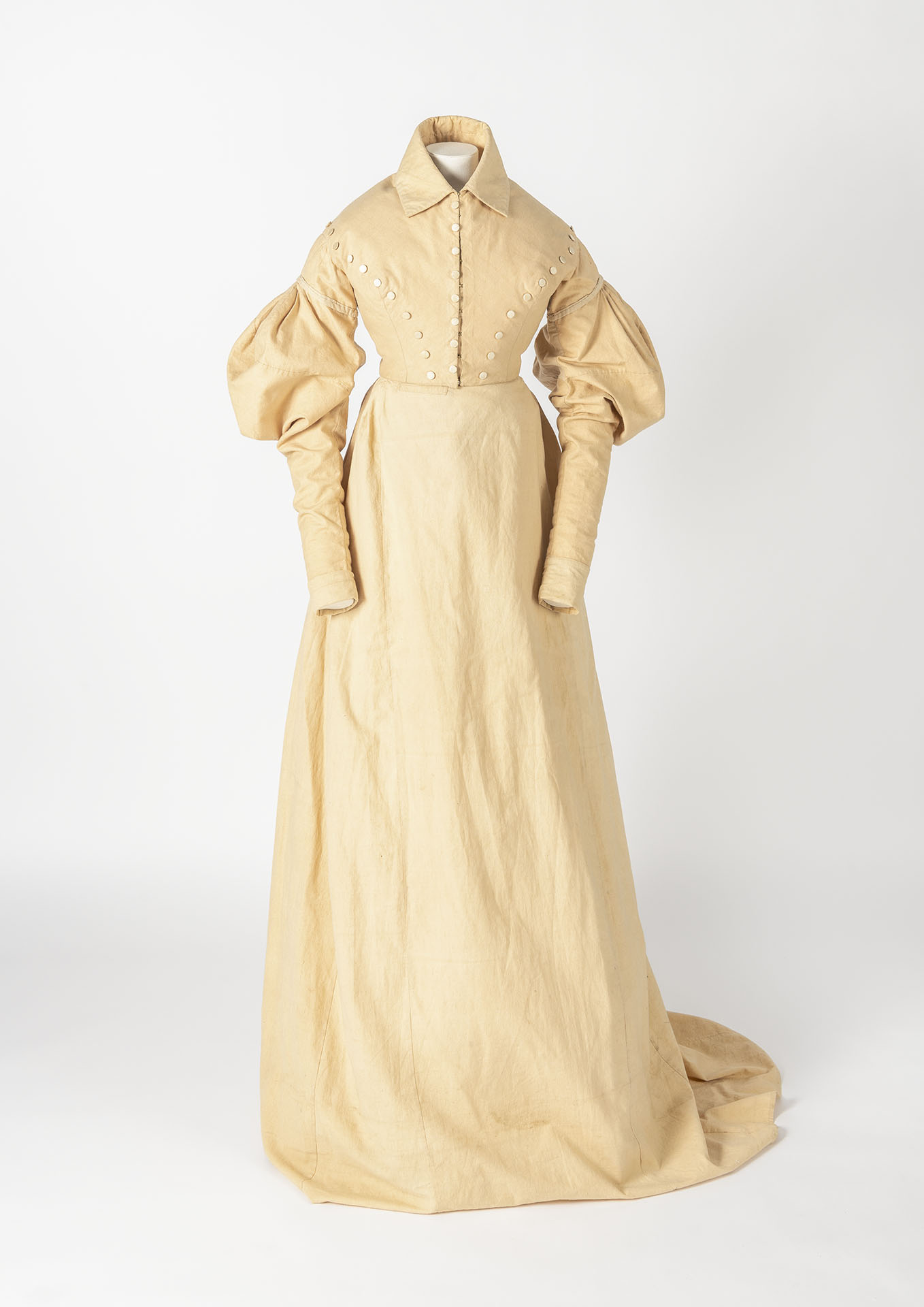
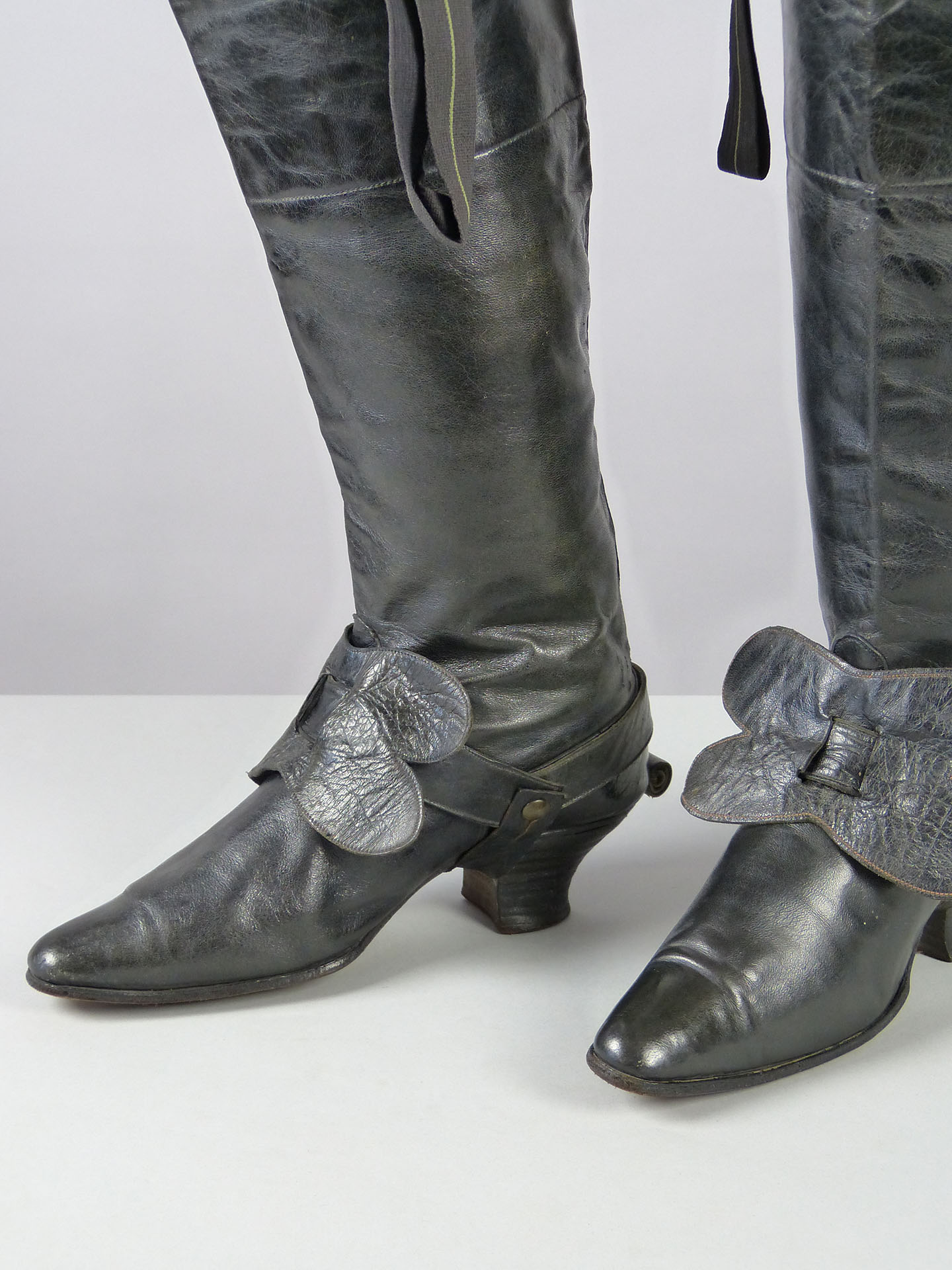
Historically, horsemanship has played a crucial role in the process of women’s emancipation. Since the Renaissance, specific costumes have been designed for each equestrian discipline, the consequences of which extend beyond purely visual and symbolic dimensions. Both the borrowing of elements from the men’s wardrobe and the creation of new forms of dress prompted those who would soon be called “Amazons” to question their position in society. The public is invited to discover the history of these women, whose strength and beauty have often been as much fantasized as misunderstood.
The exhibition brings together loans from iconic national institutions. Among the Parisian institutions are the Petit Palais, the Bibliothèque nationale de France, the Musée Condé, the Musée d’Orsay, the Musée Carnavalet, and the Musée des Arts Décoratifs, as well as the Musée National de la Renaissance in Écouen, the châteaux of Compiègne and Cadillac, the Musée des Beaux-Arts in Orléans, Pau, Le Mans, Sceaux, and Libourne, and the Mucem and the Muséon Arlaten. Several British museums have also contributed, including the Fashion Museum of Bath, the Royal Albert Memorial Museum, the Glove Collection Trust, Herfordshire Museum, and Norwich Museum. Equestrian practices play a vital role in British culture. Pieces from Swedish museums with significant collections complete the exhibition. For the occasion, each of them agreed to take down some major works from their collections or search for treasures, sometimes buried for centuries in their reserves.
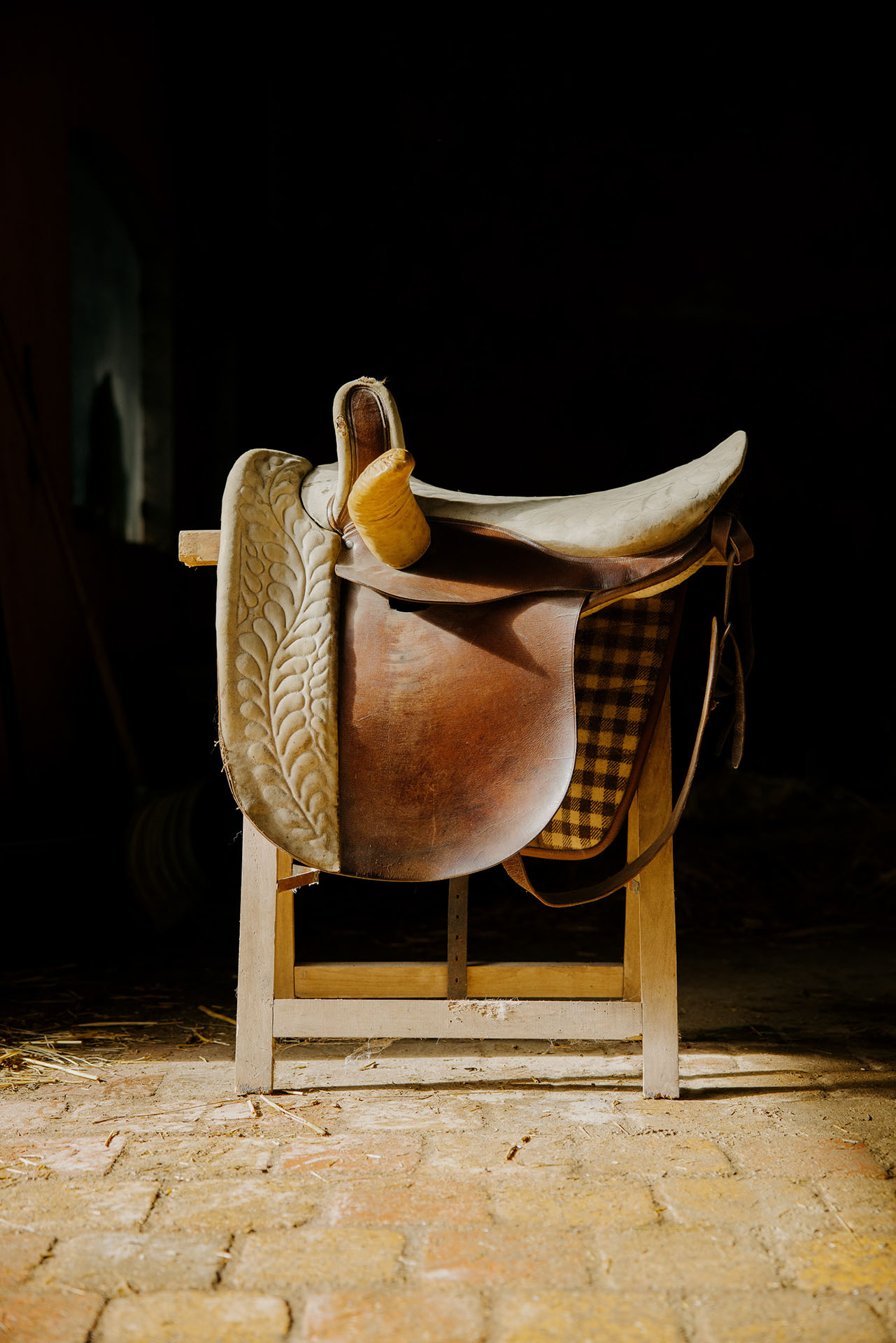
The 17th-century saddle of Queen Christina of Sweden, known as the “Amazon of the North” or the “Gothic Amazon,” sits alongside equestrian portraits of illustrious women from the court of Louis XIV, reunited for the first time in almost 350 years. Portraits of La Grande Mademoiselle riding sidesaddle, of Marie Leszczynska in front of the Château de Fontainebleau, and, from the 19th century, drawings by Degas and Constantin Guys, all face the clothing of the amazons of their time. Among these portraits, some[MC1.1] depict one of the most famous amazons of her era: the Empress of the French, Eugénie!
The exhibition spaces bring together over a hundred works that reveal their fashion secrets, spanning a period from the Renaissance to the Revolution, from the Empire to the contemporary fashion runways. This exhibition showcases the evolution of Amazonian fashion through the centuries and also reveals how their history allowed female riders, huntresses, as well as female politicians, strollers, and professional equestrians, to engage with and contribute to revolutionizing their identity, sometimes even making it a true raison d’être. [MC2.1] Initially considered a challenge to traditional dress conventions, the Amazonian costume gradually transformed into an essential element of the elegant woman’s wardrobe. In search of brilliance and comfort, these Amazons drew from the men’s wardrobe the materials, embellishments and tailoring know-how to create iconic silhouettes, which quickly gained an iconic place in the world of women’s fashion, far beyond carousels and fox hunts.
It was thanks to the traditional costume of Arles that, after the Second World War, during traditional festivals, three women first distinguished themselves by riding sidesaddle, alone amidst the men. Then, it was the turn of those whose grandmothers had ridden sidesaddle to move the cattle from the herds or to travel to town to imitate them; the Queens of Arles leading the way. Created in 1512, the Ancient Brotherhood of the Guardians of the Camargue protects and unites professional riders. In 2001, a group of women and daughters of guardians joined forces and emerged within this male-dominated institution, beginning to offer side-saddle displays of dressage and cattle work. The resurgence of this practice, made visible through social media and the dissemination of equestrian performances, is now generating unprecedented enthusiasm among young women in the Camargue. To date, the democratization of this riding style has been achieved, and it is taught in specialized classes in Camargue riding schools from the age of 7.
Le musée de la Mode et du Costume confie à Valerio Zanetti, docteur en Histoire et spécialiste des pratiques équestres féminines du Grand Siècle, le commissariat scientifique de l’exposition. Un travail de recherches de plus de 10 ans, partagé avec un public de passionnés mais aussi de néophytes prêts à découvrir un chapitre extraordinaire de l’histoire occidentale. Dans le catalogue qui accompagne cette exposition, figurent les aimables contributions de spécialistes internationaux. Un colloque, dont la programmation sera annoncée sur le site internet du musée, se tiendra lors des journées d’ouverture. Rendez-vous à Arles dès le 22 mai 2026, pour un voyage au grand galop au pays des Amazones !